Your cart
Your cart is empty
Continue shopping
Drawer menu
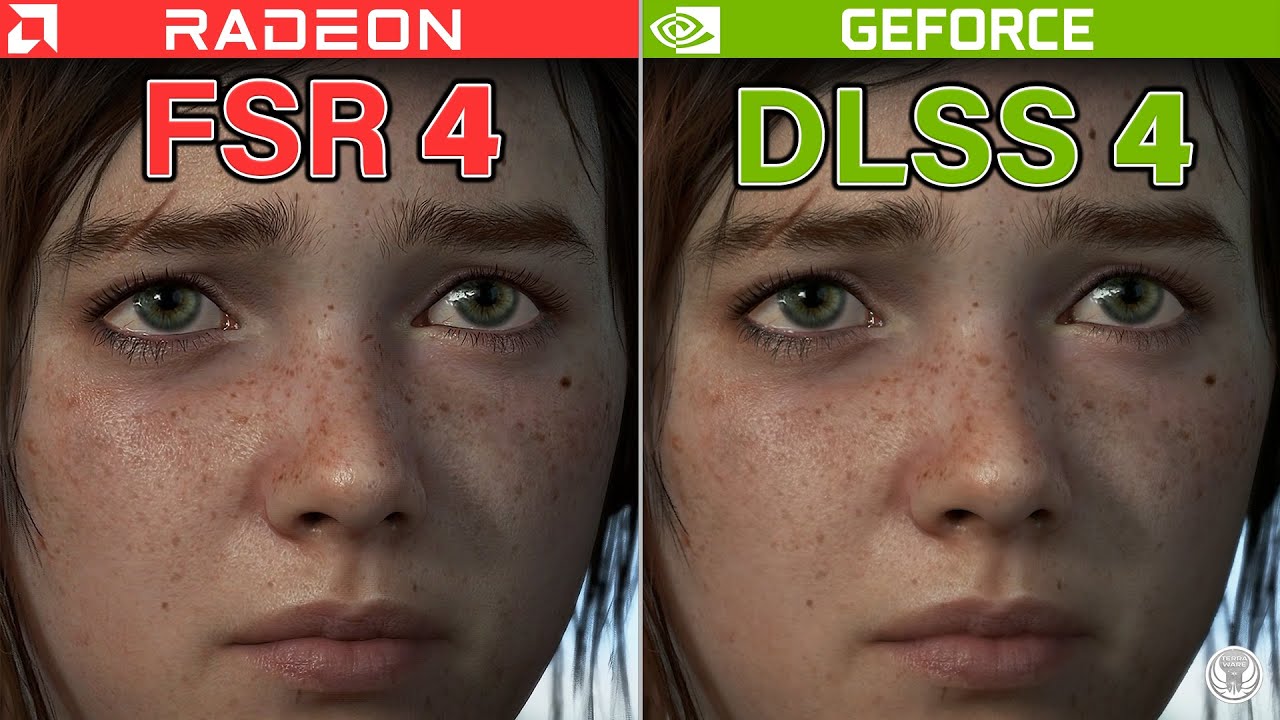
Modern PC gaming is no longer just about raw hardware. Technologies like AMD FSR and NVIDIA DLSS have changed the conversation, turning upscaling into one of the most important parts of the visual experience.
At a glance, both promise the same thing: better performance without giving up too much image quality. In practice, though, they take very different paths to get there, and that difference matters more than many players realize.
For anyone building, upgrading, or choosing a gaming PC in 2026, understanding how these two technologies work can make the decision much easier.
DLSS usually feels strongest inside the NVIDIA RTX ecosystem, especially for players who want the most advanced AI-driven image reconstruction and frame generation. FSR stands out for its broader flexibility and for being a more open option across different hardware environments.
Both AMD FSR and NVIDIA DLSS are designed to improve gaming performance by rendering a game at a lower internal resolution and then rebuilding the final image so it still looks sharp on screen. The goal is simple: gain more frames without making everything look soft, noisy, or unstable.
That shared goal is where the similarity ends.
DLSS is closely tied to NVIDIA's RTX ecosystem and has become one of the most recognizable features of GeForce gaming. FSR, on the other hand, has built its identity around flexibility and wider accessibility. One leans into a more specialized ecosystem. The other leans into reach.

Two different approaches, one shared mission: smoother performance and cleaner image quality.
There was a time when choosing a graphics card felt more direct. If you wanted more performance, you bought more power and moved on. Modern games are heavier, more detailed, and far more demanding than they used to be. Lighting is more complex, environments are larger, and visual effects can push even strong systems harder than expected.
That is exactly why upscaling matters now. It is no longer a bonus feature hidden in the settings menu. In many games, it has become part of the standard way people play.
In modern gaming, performance is no longer shaped by hardware alone. The software behind the frame matters too.
DLSS has earned a strong reputation because it often feels like the premium option for players already inside the RTX world. When a game supports it well, the result can feel impressively clean, especially in motion, where image stability matters just as much as raw sharpness.
For players chasing high refresh rates, ray tracing, or a more advanced feature stack, DLSS often becomes one of the strongest reasons to stay with NVIDIA.
If your next system is already built around an NVIDIA RTX graphics card, DLSS becomes one of the biggest advantages of staying in that ecosystem.
FSR makes its case in a different way. It is attractive because it feels more open, more flexible, and easier to appreciate across a wider range of hardware conversations. For many players, that matters just as much as visual perfection.
Not every buyer is looking for the most specialized feature stack. Some want strong value, broad compatibility, and a technology that still improves the experience without locking the decision to a single way of building a gaming PC. That is where FSR becomes especially compelling.

For many players, the better choice is not the most exclusive one, but the one that best matches the build they actually want.
If you already know you want an RTX-based gaming PC, DLSS is one of the clearest benefits of that choice. If you care about a more open approach, broader flexibility, or simply want to understand the AMD side of the market without dismissing it too quickly, FSR deserves real attention.
The most important thing is not choosing a side like it is a brand war. It is understanding what kind of experience you want, what kind of hardware you plan to buy, and which technology makes the most sense inside that decision.
DLSS and FSR are not just competing settings in a menu. They represent two different ideas about modern PC gaming. One feels more specialized and premium inside the RTX ecosystem. The other feels broader and more flexible. The better choice depends less on internet arguments and more on the kind of gaming PC you actually want to build or buy.
If your next system is meant to handle modern games with strong visual performance, smooth frame pacing, and the right feature set for the way you play, this is exactly the kind of decision worth making carefully.